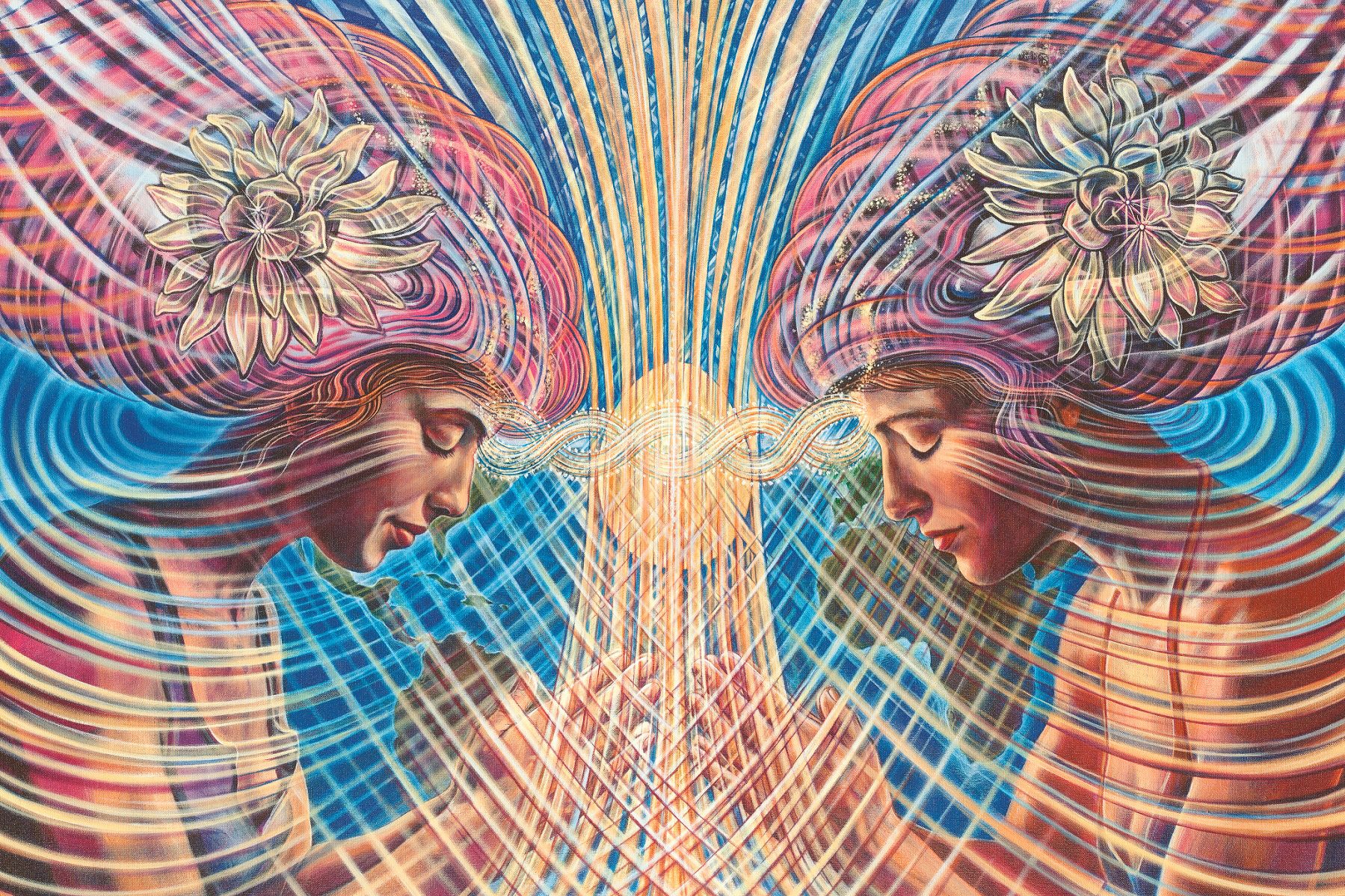
The question of whether there is a difference between the soul and consciousness invites a deeper reflection on identity itself. Are we a distinct spiritual entity, or are we expressions of something far more universal? While these terms are often used interchangeably, a deeper view suggests they may point to different aspects of the same underlying reality.
The Soul as Individual Essence
The soul is often experienced as the unique essence of a person — that quiet sense of “I am” that remains consistent throughout life, despite changing thoughts, emotions, and circumstances.
It carries qualities such as individuality, continuity, and personal experience. From this perspective, the soul can be seen as the traveller — moving through different lives, gathering experience, and evolving over time.
Consciousness as Universal Presence
Consciousness, by contrast, may be understood as something more expansive — not limited to any one individual, but present everywhere and in everything.
A deeper view suggests that consciousness is the field in which all experience arises. It is not owned by the individual but rather expressed through them, much like light shining through different windows.
One Appearing as Many
Rather than being separate, the soul and consciousness may be two perspectives of the same reality.
● The soul can be seen as consciousness taking on individuality
● Consciousness can be seen as the underlying unity behind all souls
● The sense of separation may arise from the way experience is filtered through the mind and body
From this view, individuality is not denied — but it is understood as a temporary expression within something much greater.
The Journey from Identity to Unity
Many spiritual traditions and experiences suggest that the journey of the soul involves a gradual shift in identity.
At first, there is a strong sense of being a separate self. Over time, this may soften, revealing a deeper awareness that is less personal and more universal.
This does not necessarily erase the individual, but it changes the way it is perceived — from something separate to something interconnected.
Direct Experience Beyond Concepts
Ultimately, the distinction between soul and consciousness may not be fully understood through thought alone.
Some individuals report moments in meditation or deep stillness where the sense of a personal “self” dissolves, leaving only awareness itself — vast, silent, and without boundary.
In such moments, the question is no longer theoretical, but experiential.
In Essence
● The soul may be understood as the individual expression of being
● Consciousness may be the universal field in which all exists
● The two are not necessarily separate, but different perspectives
● The sense of individuality may be a temporary experience
● Deeper awareness often reveals unity rather than division
In the end, the distinction may matter less than the discovery itself. Whether one begins with the idea of a soul or of consciousness, the journey often leads toward the same realisation — that what we truly are is both intimately personal and profoundly universal.